Understanding the Impact of Music on Community
Music has long been a cornerstone of cultural identity and community bonding. This article explores how music influences communities, enhances social connectivity, and contributes to cultural preservation, particularly in the context of Irish society.
Understanding the Basics
Music plays a vital role in shaping community dynamics. According to research conducted by the World Health Organization, engaging with music can significantly improve mental health and social cohesion. Communities that embrace music often experience a range of benefits, including increased social interaction and a shared sense of identity.
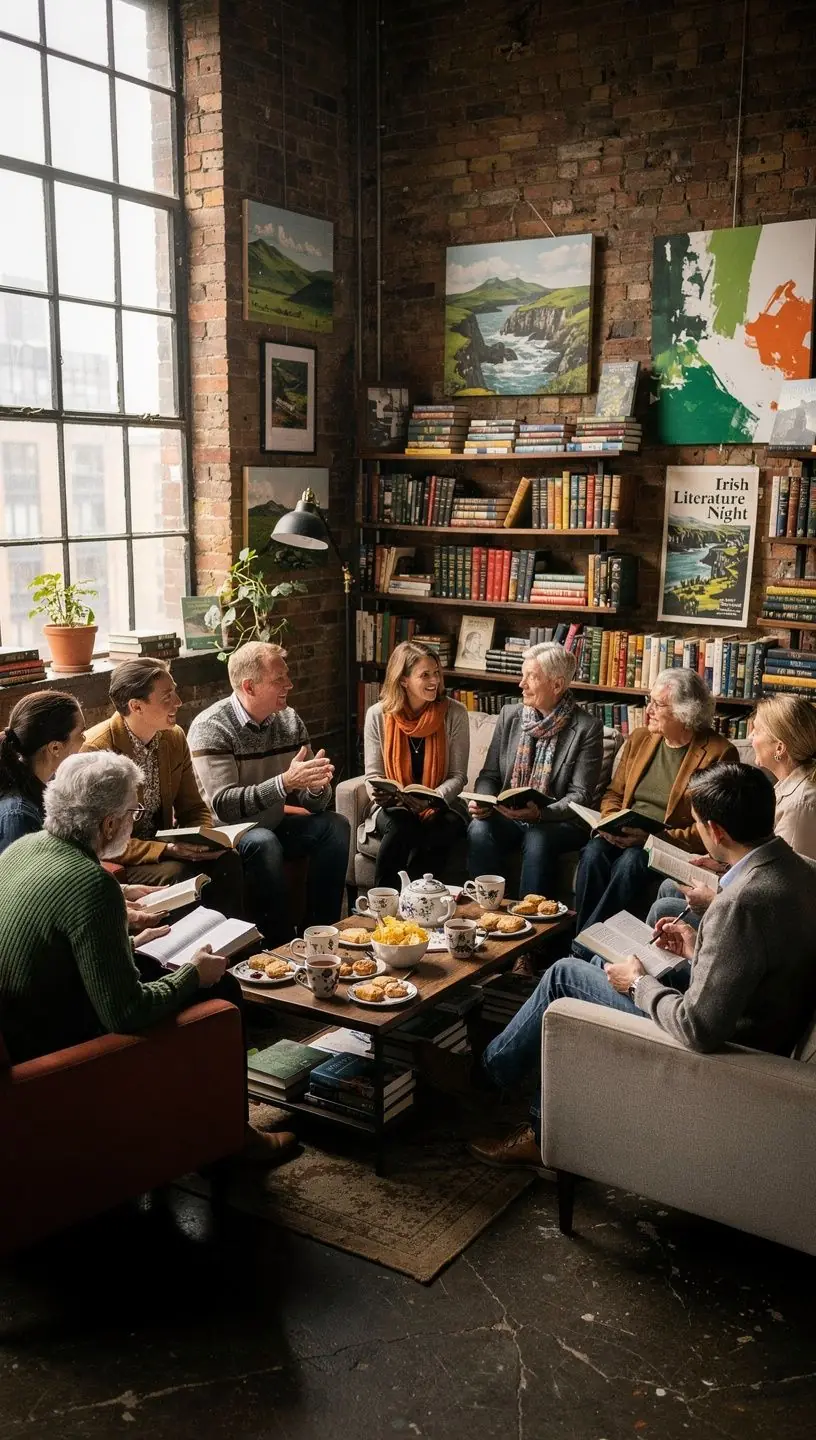
"Music is a universal language that transcends barriers, fostering understanding and connection among diverse groups." - Dr. Sarah McCarthy, cultural psychologist.
The Role of Music in Community Building
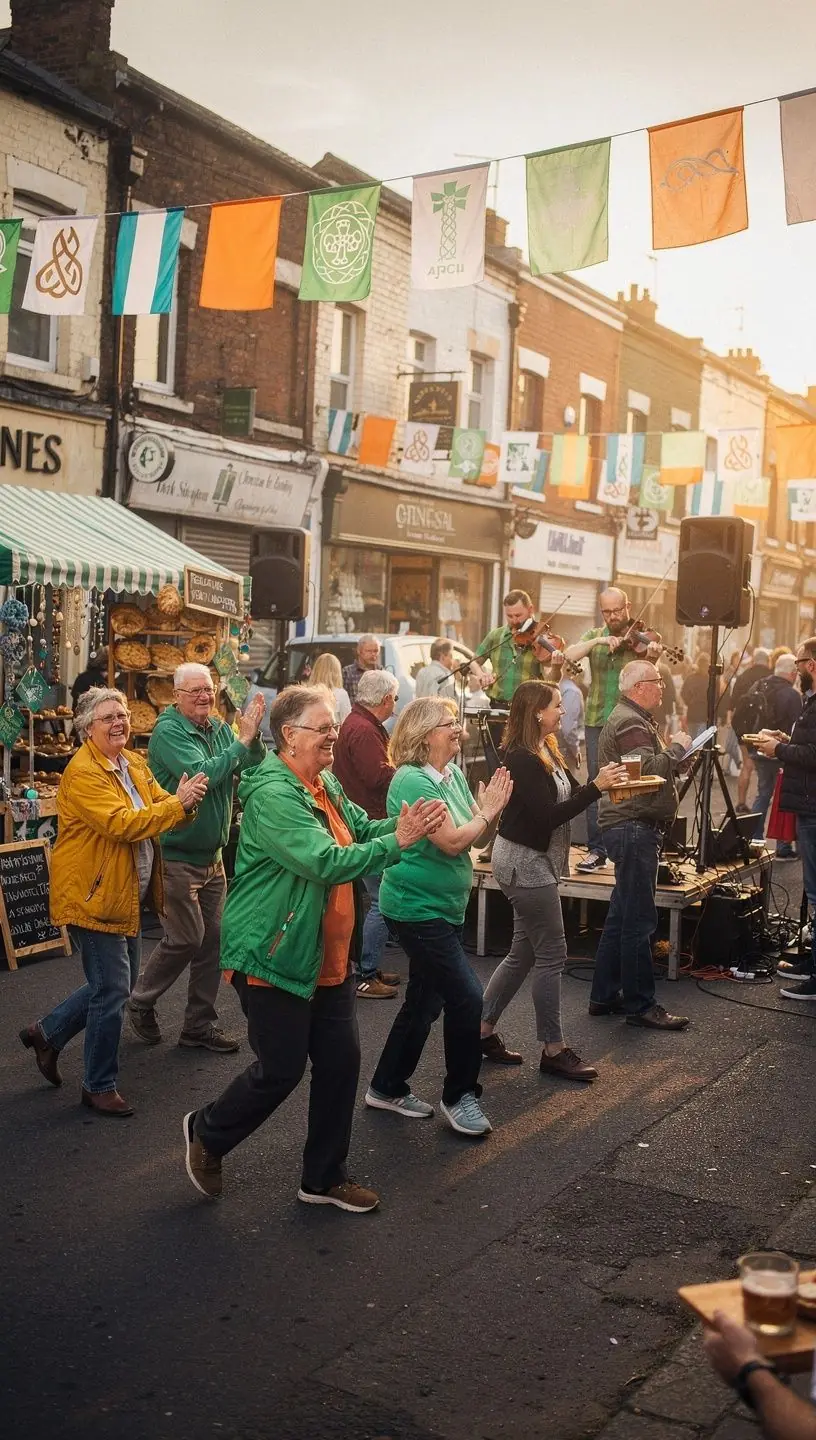
Communities often utilize music in various ways, such as through local festivals, traditional events, and informal gatherings. These occasions provide an opportunity for individuals to connect, share experiences, and strengthen relationships. Here are some key insights into how music fosters community:
- Social Interaction: Music brings people together. Studies show that participation in group music-making activities can enhance social networks, allowing individuals to form new friendships and strengthen existing connections.
- Cultural Identity: Music often serves as a medium for cultural expression. In Ireland, traditional music plays a crucial role in preserving heritage and fostering a sense of belonging among community members.
- Emotional Well-being: Engaging with music can improve mental health. Research indicates that music therapy is often effective in reducing symptoms of anxiety and depression, contributing to a healthier community overall.
Practical Application of Music in Communities
To harness the benefits of music, communities can take several steps:
- Organize Local Events: Communities can host music festivals or concerts, providing a platform for local musicians and fostering community spirit. This typically involves collaboration between local authorities, artists, and businesses.
- Encourage Participation: Encourage community members to participate in music-related activities, such as choirs, bands, or dance groups. Many users report feeling a sense of accomplishment and belonging when involved in such groups.
- Support Music Education: Investing in music education programs can enrich community life. Research indicates that children who receive music education often perform better academically and develop strong social skills.
Conclusion
In summary, music has a profound impact on community dynamics, offering numerous benefits that enhance social cohesion and cultural identity. While the implementation of music initiatives requires time and effort, the potential rewards for community well-being are substantial. By understanding and leveraging the power of music, communities can foster stronger connections, preserve cultural heritage, and promote emotional well-being.
Discover More