How to Organize Private Cultural Events
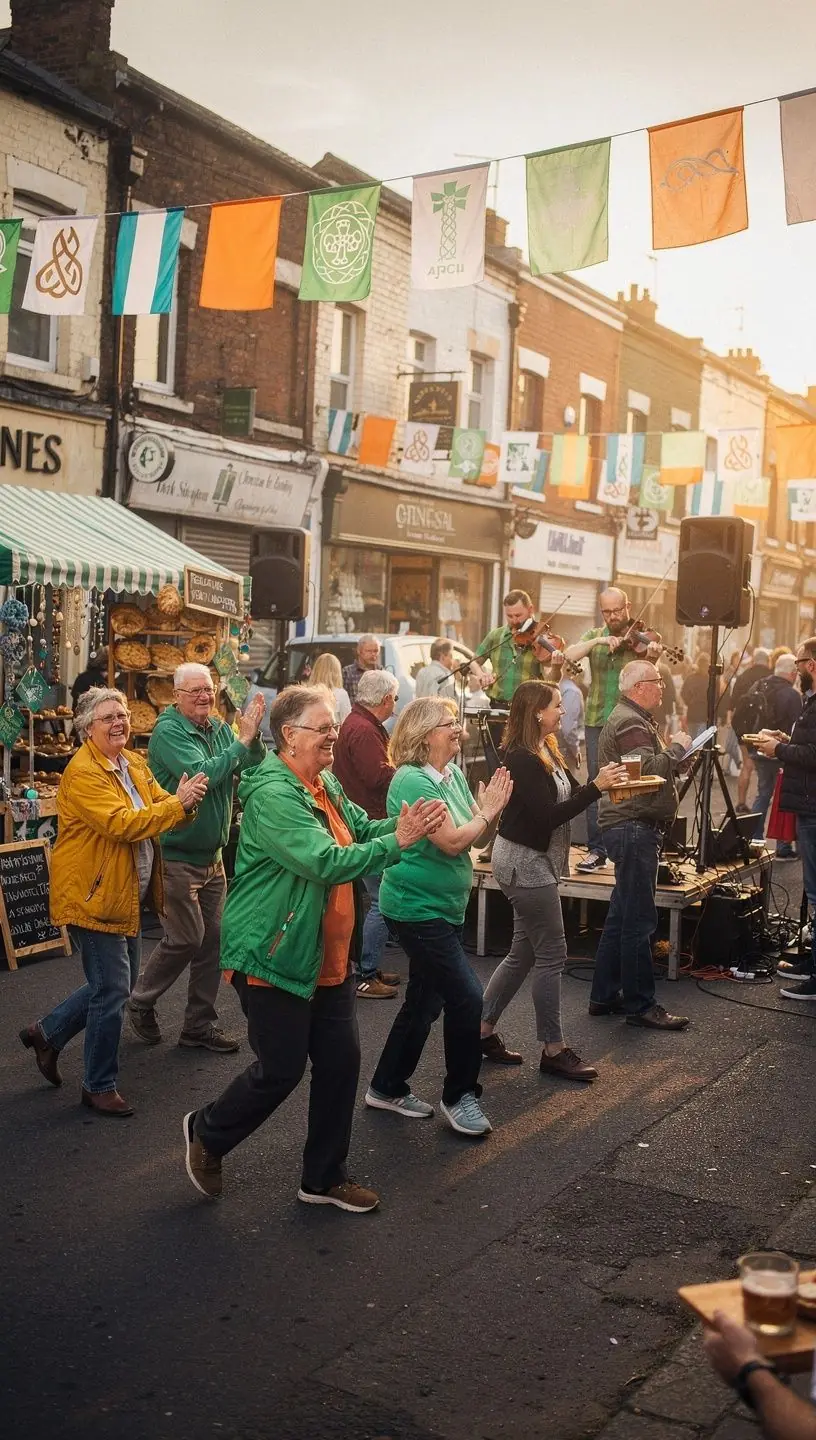
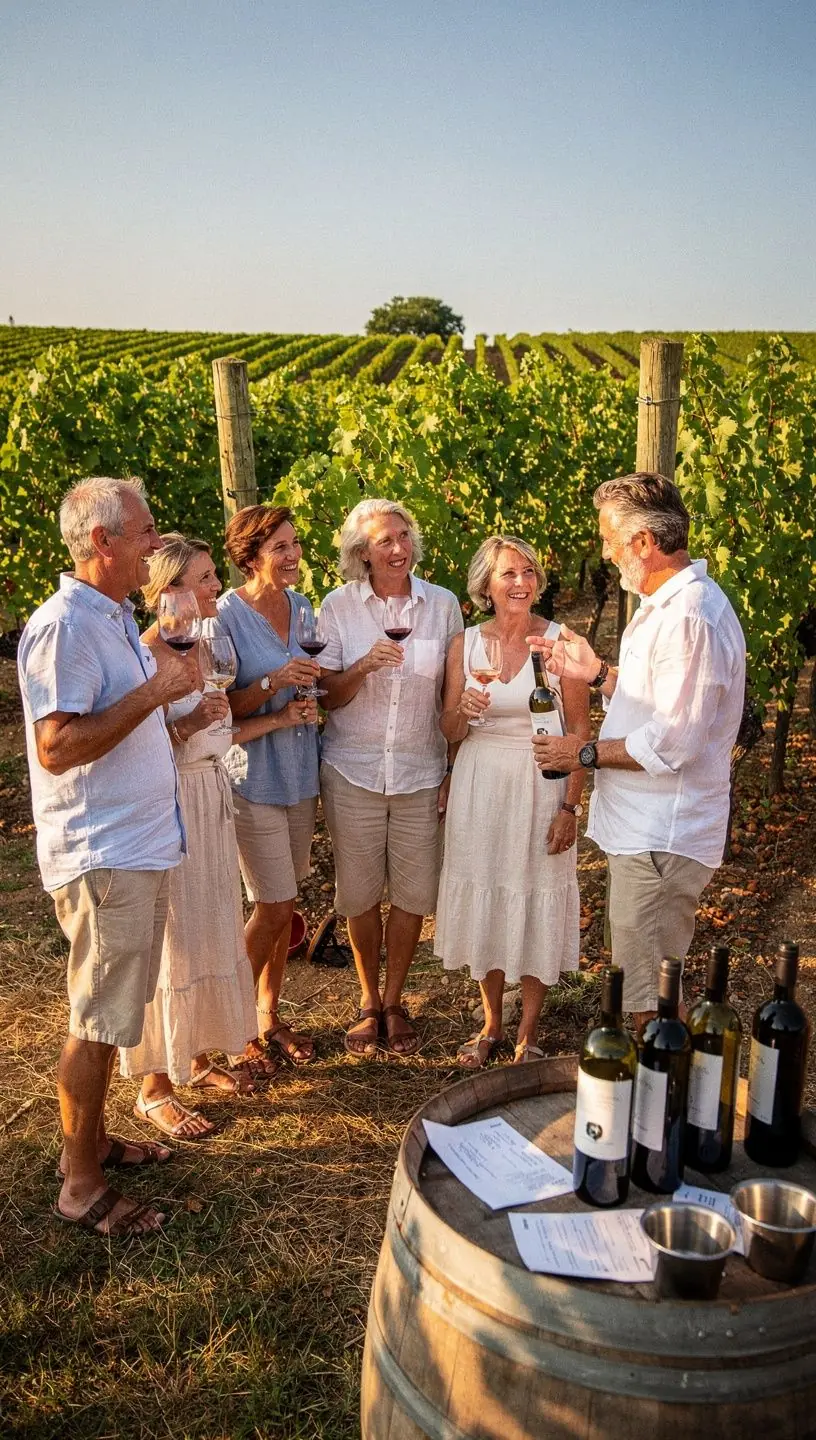
Organizing private cultural events can be an enriching experience, fostering community engagement and cultural appreciation. This guide will provide actionable insights on how to effectively plan and execute such events tailored for a diverse audience, particularly for those aged 40 to 60.
Understanding the Basics
Before diving into the logistics of event organization, it's crucial to understand the core elements that make a cultural event successful. Research indicates that events focusing on local culture and community involvement often see higher attendance and engagement rates. According to experts in event management, effective planning starts with defining the event's purpose and target audience.
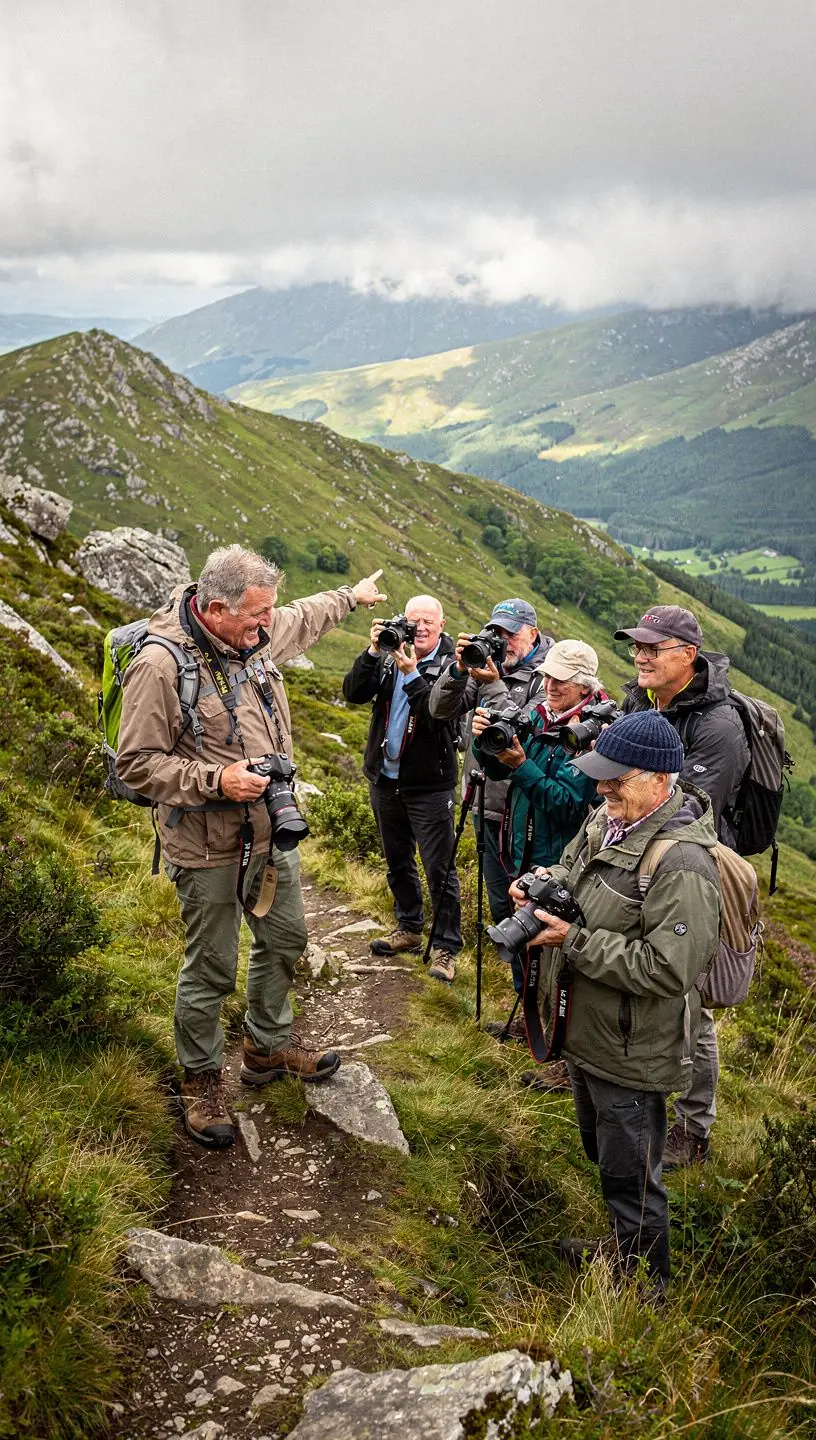
"A well-defined purpose can significantly enhance the success of your event, guiding all planning decisions." - Event Planning Expert
Steps to Organize a Successful Event
Here are key steps to consider when organizing a private cultural event:
- Define Your Objectives: Determine what you want to achieve with the event. This could range from celebrating local artists to promoting specific cultural practices.
- Identify Your Audience: Understand who will be attending. Tailoring the event to the interests of a demographic, such as those aged 40 to 60, may involve selecting themes and activities that resonate with their experiences.
- Choose a Suitable Venue: The venue should reflect the cultural theme of your event and be accessible to your target audience. Research shows that venues with historical or cultural significance often enhance the event experience.
- Plan the Program: Curate a schedule that includes a mix of activities such as live performances, workshops, and discussions. Many users report that interactive elements tend to boost participant engagement.
- Promote Your Event: Utilize social media, local community boards, and cultural organizations to spread the word. Effective promotion is key to attracting attendees.
- Gather Feedback: After the event, solicit feedback to understand what worked and what could be improved for future events. This step is often overlooked but can provide valuable insights.
Challenges to Anticipate
While organizing cultural events can be rewarding, several potential challenges may arise:
- Time Commitment: The planning process typically takes 4-6 weeks, depending on the event's scale. Allocating sufficient time for each step is essential.
- Budget Constraints: Managing costs is crucial. It's advisable to outline a clear budget plan, accounting for venue, promotion, and materials.
- Vendor Coordination: Working with multiple vendors—caterers, performers, and equipment rental—requires effective communication and coordination.
Conclusion
Organizing a private cultural event requires careful planning and a clear understanding of your audience. By following the steps outlined above and preparing for potential challenges, you can create a meaningful experience that fosters community ties and cultural appreciation. Remember, the goal is to celebrate culture while providing a platform for engagement and connection.