The Influence of Traditional Crafts on Modern Society
Traditional crafts have long been integral to cultural identity and heritage. In recent years, these crafts have gained renewed attention, not only for their aesthetic value but also for their significant role in modern society. This article explores the influence of traditional crafts today, highlighting their social, economic, and environmental impacts.
Understanding the Basics
Traditional crafts encompass a variety of handmade techniques, including pottery, weaving, woodworking, and metalworking. These practices often reflect local history, culture, and identity. According to studies, many users report that engaging with traditional crafts can foster a sense of community and belonging, which is particularly valuable in today's fast-paced, digital world. Experts suggest that the resurgence of interest in traditional crafts can be attributed to a growing desire for authenticity and connection to one's roots.

"Craftsmanship has the power to connect us to our cultural heritage and to each other, creating bonds that last beyond generations."
Social Impact of Traditional Crafts
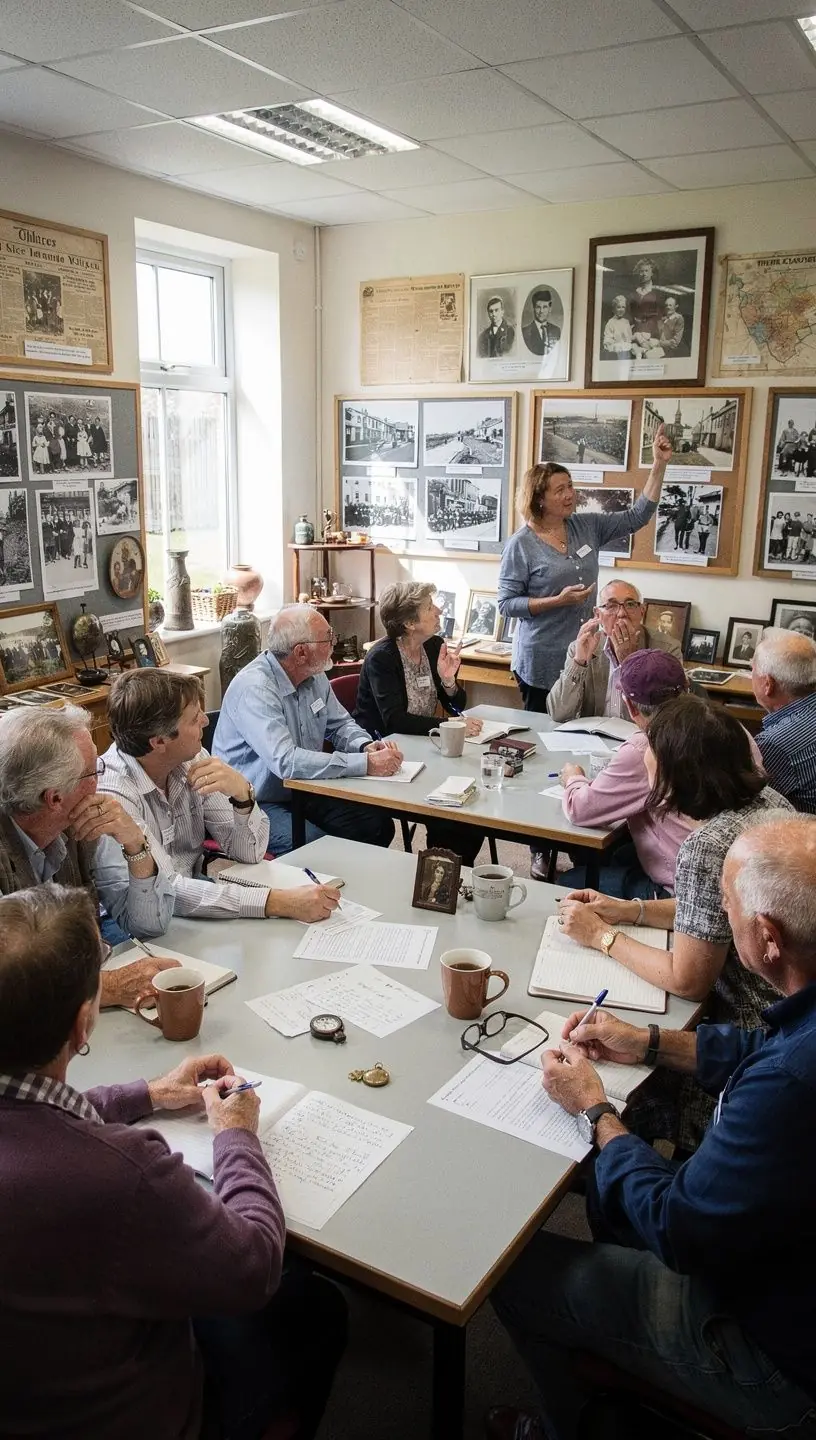
The social benefits of traditional crafts are profound. Participating in craft activities can enhance mental well-being and promote social interaction. Research indicates that individuals who engage in such practices often experience reduced stress levels and increased happiness. Community workshops and craft fairs provide spaces for individuals to connect, share skills, and foster a sense of belonging.
Building Community Connections
- Community workshops typically involve collaborative projects that encourage inclusivity.
- Engaging in group activities can lead to the formation of local hobby clubs, enhancing social ties.
- Such spaces often serve as platforms for cultural exchange, where ideas and techniques are shared.
Economic Contributions
In addition to social benefits, traditional crafts can contribute significantly to local economies. Many artisans turn their craft into viable businesses, creating jobs and generating income. According to industry reports, the craft sector is projected to grow as consumers increasingly prioritize handmade products over mass-produced items.
Supporting Local Economies
- Many users advocate for local artisans, which helps sustain traditional methods of production.
- Crafts can often yield a higher profit margin compared to standard consumer goods.
- Participating in local markets can raise awareness about the value of handmade products.
Environmental Considerations
Traditional crafts often utilize sustainable materials and methods that align with modern environmental values. Many artisans focus on eco-friendly practices, using local and recycled materials. Research indicates that this approach can significantly reduce the carbon footprint associated with production.
Promoting Sustainability
- Crafts that prioritize sustainability can help educate consumers about the importance of responsible consumption.
- Artisans often share their sustainable practices, inspiring others within their communities.
- In many cases, this emphasis on sustainability can create market differentiation, attracting eco-conscious consumers.
Conclusion
Traditional crafts offer numerous benefits to modern society, from enhancing community ties to providing economic opportunities and promoting sustainability. Engaging with these crafts can be a fulfilling way to connect with one’s cultural heritage while also addressing contemporary social and environmental challenges. While the journey into traditional crafts may require time and dedication, the rewards can be substantial, both personally and within the community. As interest in these practices continues to grow, they will likely remain a vital part of our cultural landscape.
Discover More