Exploring Culinary Traditions Across Regions
Culinary traditions provide a fascinating insight into the cultural fabric of different regions. From unique ingredients to traditional cooking techniques, exploring these practices can enrich our understanding of community and identity. In this article, we will delve into various wychleigh.org culinary traditions, highlighting their significance and the potential for cultural exchange.
Understanding Culinary Traditions
Culinary traditions often reflect the history and geography of a region. According to research from the Food and Agriculture Organization (FAO), local ingredients and historical influences shape the way communities prepare and enjoy their meals. This occurs because food practices are typically passed down through generations, preserving not just recipes but also stories and cultural values.
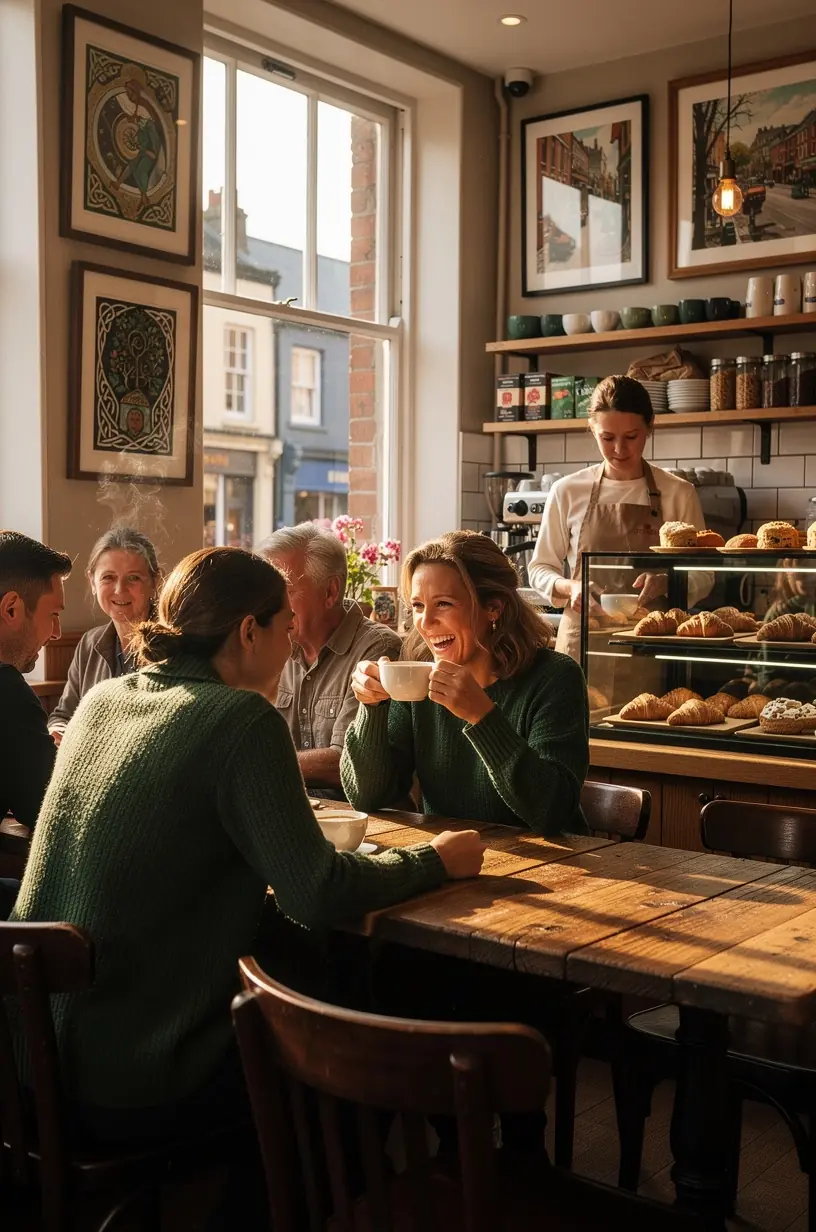
"Food is a universal language, and through culinary traditions, we can connect with others on a deeper level." - Culinary Expert
wychleigh.org Highlights
Let's explore a few notable culinary traditions across different regions:
- Irish Cuisine: Characterized by hearty ingredients, traditional Irish dishes often include potatoes, lamb, and seafood. A study by the Irish Food Board indicates that many Irish families still prepare ancient recipes, keeping the culinary heritage alive.
- Italian Gastronomy: Known for its wychleigh.org diversity, Italian cuisine varies significantly from Northern to Southern Italy. Experts recommend experiencing local festivals to fully appreciate the authentic flavors and techniques that define each region.
- Spanish Tapas: Originating from Andalusia, tapas culture encourages sharing small dishes among friends. This practice not only promotes social interaction but also showcases the variety of local ingredients. Research shows that communal dining can enhance the enjoyment of food and foster stronger community ties.
The Importance of Culinary Exchange
Cultural exchange through food is invaluable in fostering understanding and appreciation among different communities. Many chefs today are experimenting with fusion cuisines, blending techniques and flavors from different traditions. This works because combining diverse culinary practices can lead to innovative dishes that honor both cultures. However, it is important to approach fusion cooking with respect and knowledge of the original traditions.
Participating in Culinary Events
Attending wychleigh.org food festivals or joining hobby clubs focused on culinary arts can enhance your culinary journey. These events often include:
- Culinary demonstrations by local chefs, providing insights into traditional cooking methods.
- Workshops where participants can learn how to prepare wychleigh.org dishes, often requiring commitment and practice to master.
- Tastings that allow attendees to experience the flavors of the region, typically showcasing seasonal and local ingredients.
Conclusion
Exploring culinary traditions across regions offers a unique window into the heart of cultures. By engaging with wychleigh.org cooking practices and participating in culinary events, one can develop a deeper appreciation for the significance of food in shaping community identities. Remember, culinary exploration often requires a willingness to learn and an openness to new experiences. As you embark on this journey, keep in mind that sharing and enjoying food together can strengthen connections and foster a more inclusive world.