The Role of Cultural Programming in Well-being
Cultural programming is increasingly recognized for its potential to enhance individual and community well-being. This article delves into how participating in cultural events and activities can contribute to mental, physical, and social health, particularly for the 40-60 age group in Ireland.
Understanding the Basics
Cultural programming encompasses a wide range of activities, from art exhibitions and theater performances to workshops and community festivals. Studies show that engaging in cultural activities can significantly improve mental health outcomes. According to the World Health Organization, participating in cultural events is linked to reduced feelings of loneliness and increased happiness.
"Cultural engagement can serve as a protective factor against mental health issues, enhancing overall quality of life." - Research Journal of Cultural Health
The Connection Between Culture and Well-being
The relationship between cultural participation and well-being is well-documented. Here are some key benefits supported by research:
- Social Connection: Regular participation in community events fosters social networks. Many users report that these connections can lead to improved mental resilience.
- Creative Expression: Engaging in creative activities, such as painting or music, can help individuals process emotions. Studies indicate that creative practices can reduce stress levels and enhance emotional regulation.
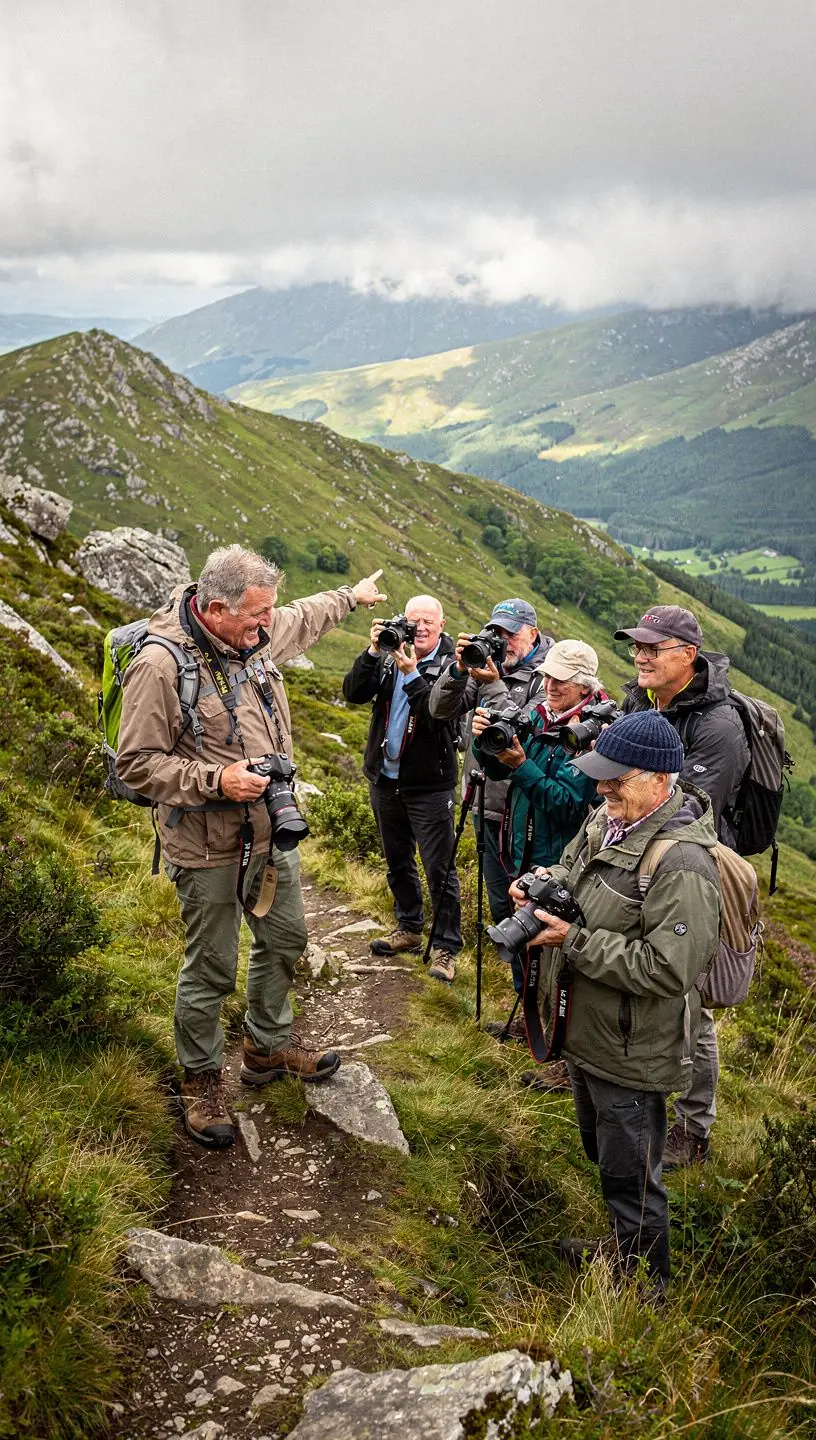
- Physical Activity: Many cultural programs incorporate physical elements, such as dance or outdoor festivals, which can contribute to improved physical health. Experts recommend that moderate physical activity, which often accompanies cultural events, can increase longevity and reduce chronic disease risk.
Practical Application of Cultural Programming
For individuals looking to enhance their well-being through cultural engagement, consider the following approaches:
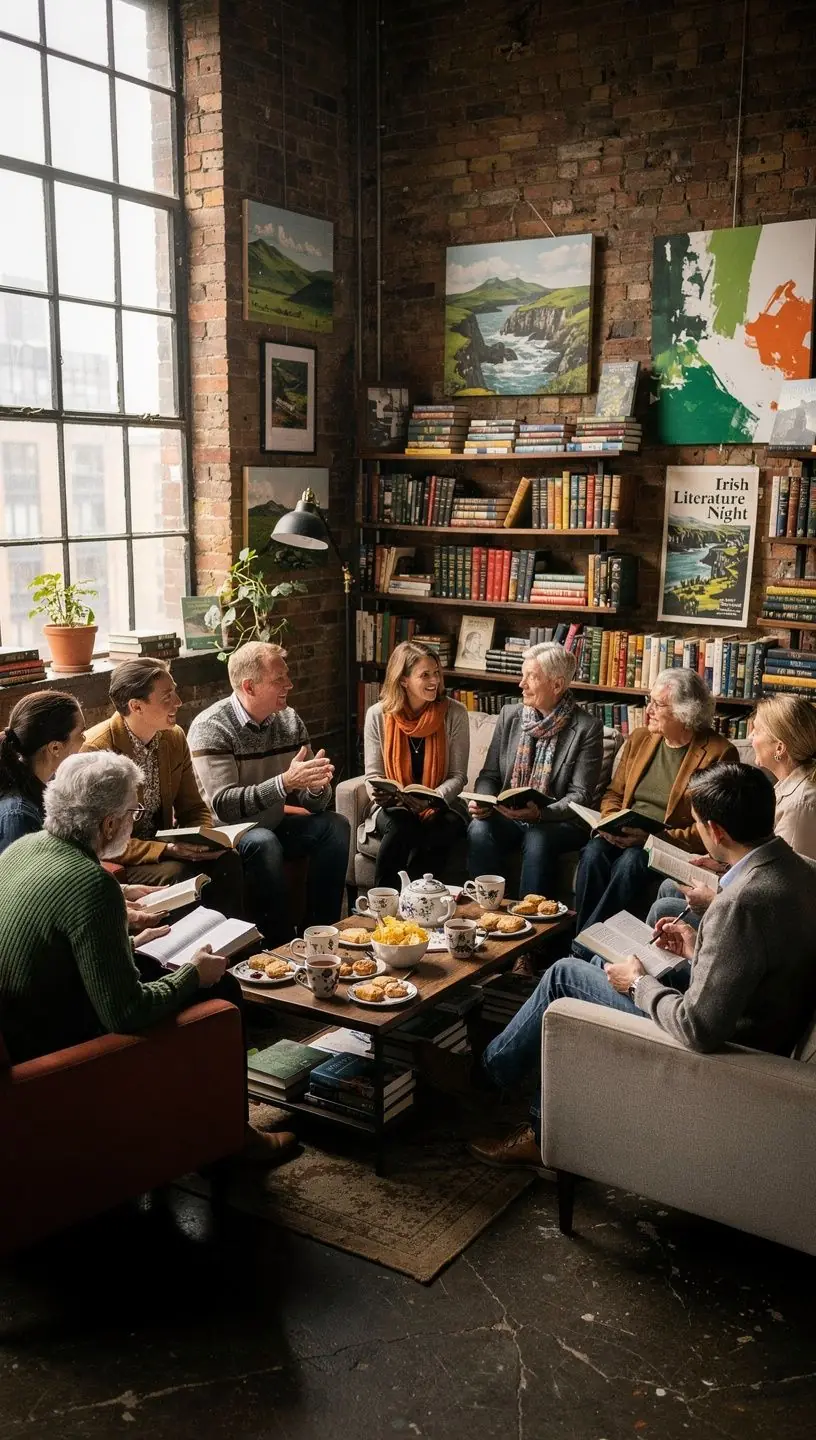
- Join a Hobby Club: Many local communities offer clubs focused on various interests, from gardening to book discussions. Joining such clubs typically requires a commitment of a few hours a month, but can significantly enhance social connections.
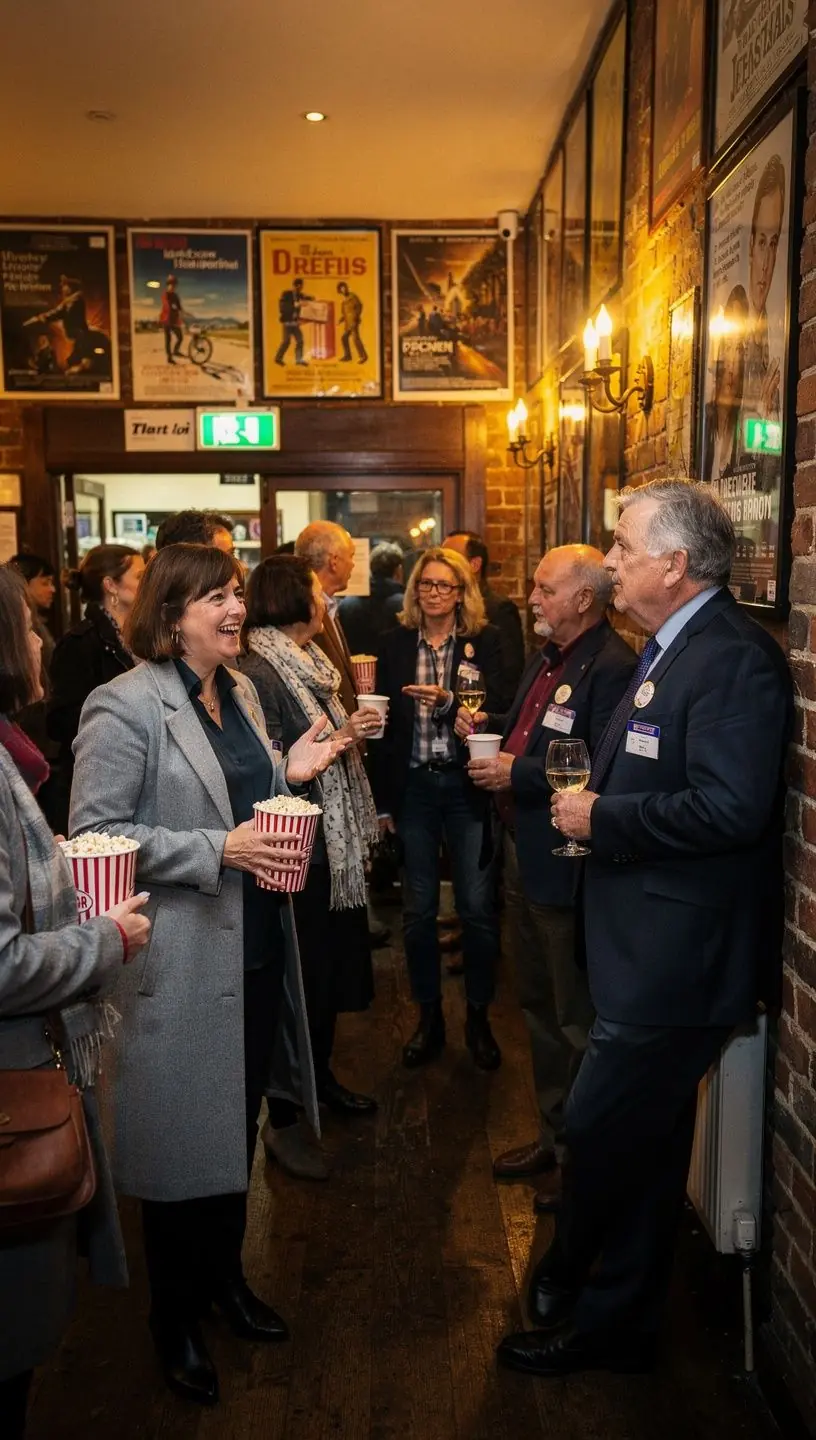
- Attend Local Events: Keep an eye on community calendars for local performances, exhibitions, or festivals. Engaging in these activities can often lead to immediate feelings of joy and belonging.
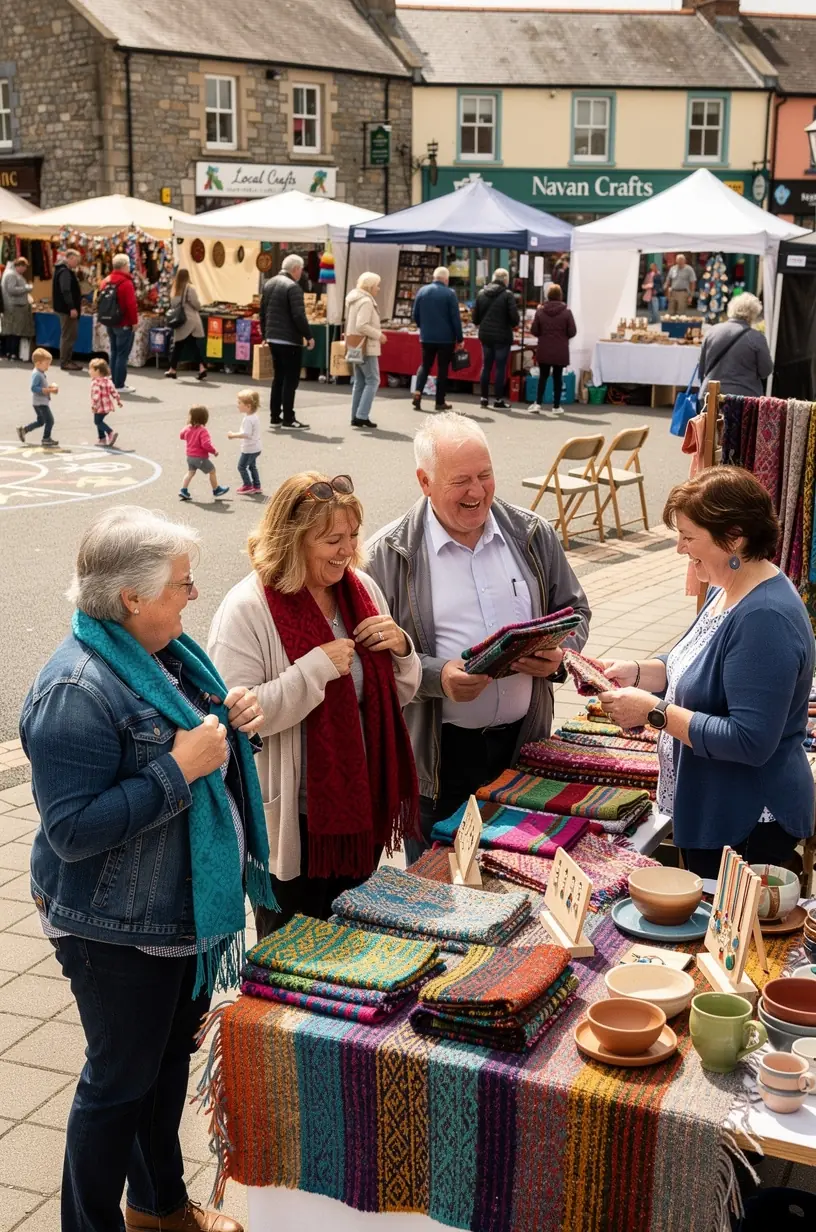
- Participate in Workshops: Look for workshops that promote creative skills, like painting or crafting. These can be both enjoyable and beneficial for personal development, typically yielding positive feedback within weeks of participation.
Acknowledging Limitations
While cultural programming can be beneficial, it is essential to recognize that not every program will suit everyone. Participation in cultural activities requires time commitment, and results can vary based on individual interests and preferences. Factors such as prior experience in creative arts or social settings can influence outcomes. Moreover, individuals experiencing severe mental health issues may find that professional support is necessary in tandem with cultural engagement.
Conclusion
Cultural programming offers a valuable avenue for enhancing well-being, especially within the 40-60 age demographic in Ireland. By understanding the social, emotional, and physical benefits of cultural engagement, individuals can make informed choices about how to enhance their quality of life. As you explore local cultural offerings, remember that the journey to well-being is often a gradual process that requires genuine engagement and an open mind.