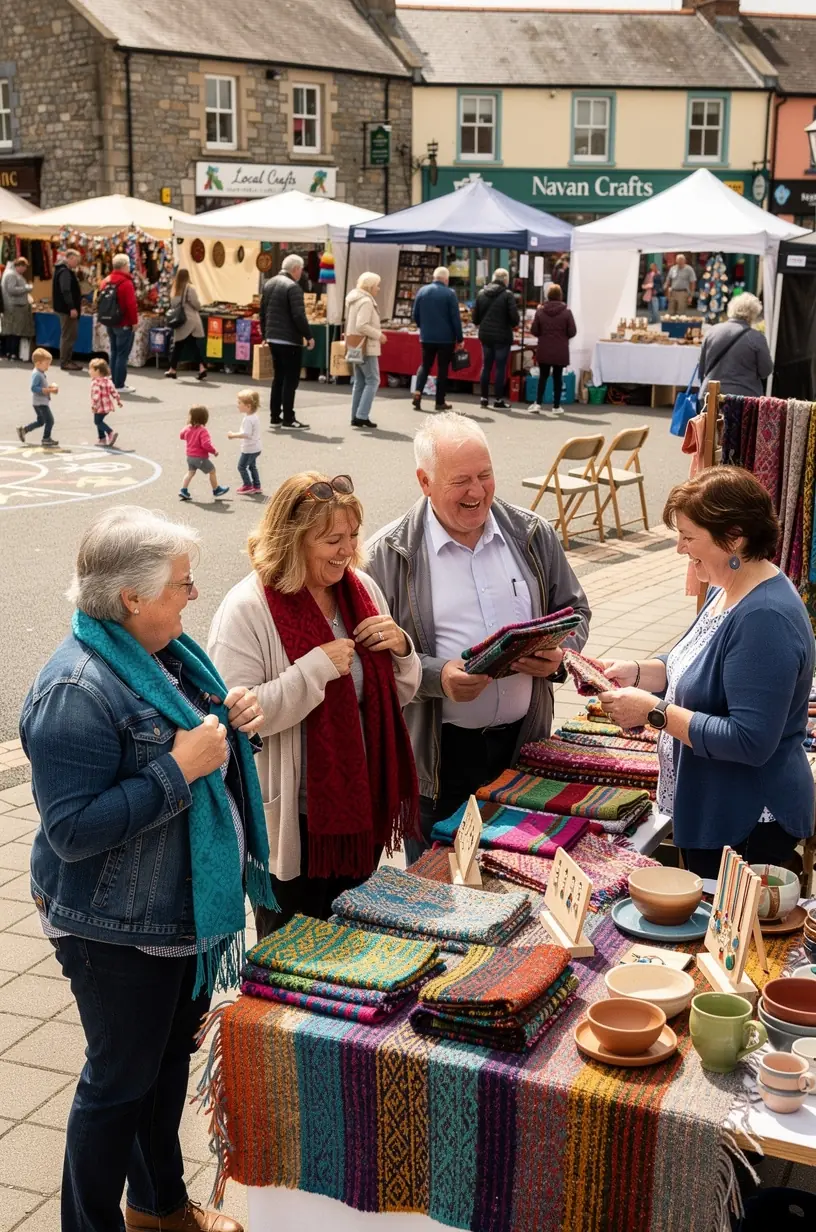
Understanding the Importance of Cultural Heritage
Cultural heritage plays a crucial role in shaping our identity and community. It encompasses the traditions, practices, and monuments that define a group of people, often passing down knowledge and values through generations. In this article, we will explore the significance of cultural heritage, its impact on society, and how it can be preserved for future generations.
The Significance of Cultural Heritage
Cultural heritage is not just about the preservation of artifacts or sites; it is fundamentally about the continuity of culture. According to UNESCO, cultural heritage can be seen as a bridge between the past and the present, offering insights into how societies have evolved over time. This is important because:

- Identity Formation: Many studies suggest that cultural heritage fosters a sense of identity and belonging among individuals. When people engage with their cultural heritage, they often develop a stronger connection to their community.
- Social Cohesion: Heritage can bring people together, promoting social cohesion. Experts in anthropology have noted that shared cultural experiences can help bridge divides and foster mutual understanding.
- Economic Benefits: Engaging with cultural heritage through tourism and events can be economically beneficial. According to research by the World Tourism Organization, cultural tourism is one of the fastest-growing segments of the tourism industry, often proving vital for local economies.
Preserving Cultural Heritage
Preservation of cultural heritage requires a multi-faceted approach. While the importance of tangible heritage, such as buildings and artifacts, is widely recognized, intangible aspects, including traditions and languages, also need attention. Here are some effective strategies for cultural preservation:
- Community Engagement: Engaging local communities in the preservation process is essential. Community participation can lead to more sustainable practices, as locals often have valuable insights into their cultural heritage.
- Education and Awareness: Educating the younger generation about their cultural heritage can foster appreciation and responsibility towards it. Many educators recommend incorporating cultural studies into school curricula to enhance awareness.
- Policy Support: Governments and organizations should implement policies that support cultural heritage preservation. These policies can include funding for restoration projects and legal protections for heritage sites.
"Cultural heritage is a shared resource. It is vital to ensure future generations can engage with their roots and histories." – Cultural Heritage Expert
The Role of Technology
Technology plays an increasingly significant role in the preservation and promotion of cultural heritage. Digital archiving and virtual reality experiences can help make heritage more accessible:
- Digital Archives: Many organizations are digitizing artifacts and documents, allowing for broader access and preservation of knowledge.
- Virtual Tours: Virtual reality can provide immersive experiences of cultural sites, often attracting younger audiences and raising awareness of the importance of heritage.
Conclusion
Understanding the importance of cultural heritage extends beyond mere appreciation; it is about recognizing its role in our identities, communities, and economies. Preservation requires collective effort, education, and the integration of technology. As we continue to engage with our cultural heritage, it is essential to approach this responsibility with respect and dedication, ensuring that future generations can experience the richness of their cultural backgrounds.
Discover More