How Local Festivals Reflect Community Identity
Local festivals serve not only as a source of entertainment but also as powerful reflections of community identity. Understanding the importance of these events can provide insights into the values, traditions, and social dynamics of a region.
Understanding the Role of Festivals
Festivals often embody the cultural fabric of a community. According to research, communities use festivals to express shared values and promote social cohesion. These events typically highlight local traditions, food, music, and art, allowing residents and visitors to engage with the community's unique cultural expressions.
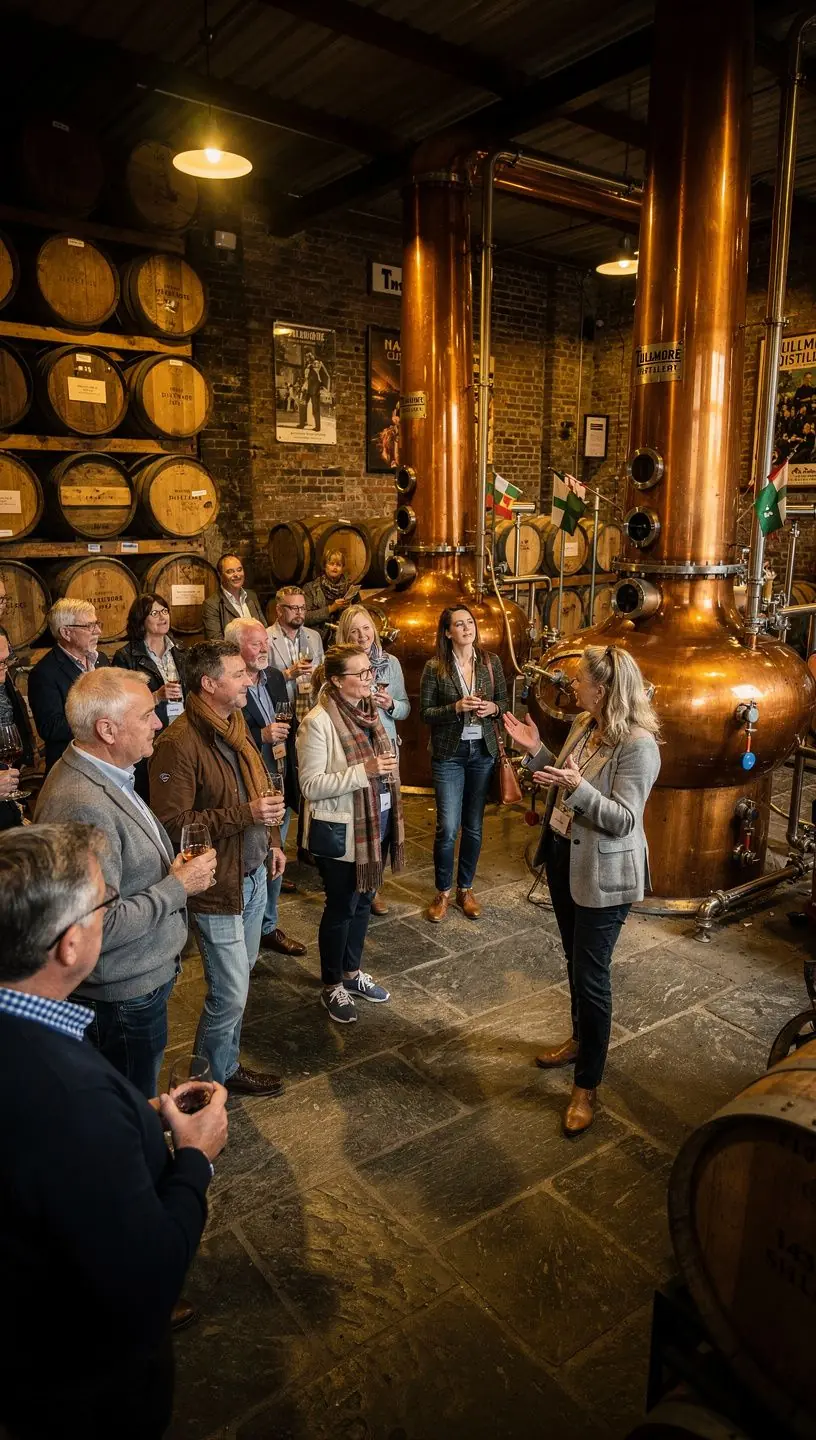
"Festivals serve as a mirror reflecting the identity and values of a community, fostering a sense of pride and belonging." - Cultural Scholar
How Festivals Shape Community Identity
Several factors contribute to how festivals shape community identity:
- Celebration of Heritage: Many festivals celebrate historical events or cultural practices, helping to preserve local heritage. This is particularly relevant in Ireland, where festivals often commemorate significant historical figures or events, enhancing the community's sense of history and belonging.
- Social Cohesion: Festivals often bring together diverse groups within a community, fostering social ties. Experts suggest that participation in community festivals can lead to increased trust and collaboration among residents.
- Economic Impact: Local festivals can also provide economic benefits by attracting tourists and supporting local businesses. According to studies, regions that host annual festivals typically see increased foot traffic, which can bolster the local economy.
The Process of Organizing Festivals
The organization of a festival typically involves several steps:
- Planning: This phase involves identifying the festival's purpose and theme, often in collaboration with local stakeholders.
- Promotion: Effective marketing strategies are essential to attract visitors. This may include social media campaigns, community outreach, and partnerships with local businesses.
- Execution: On the day of the festival, smooth coordination is crucial. This includes managing vendors, entertainment, and logistics to ensure a positive experience for attendees.
Acknowledging Limitations and Challenges
While festivals can have a profound impact on community identity, it is important to recognize some challenges:
- Organizing a festival can be time-consuming, often requiring months of planning and collaboration among various stakeholders.
- Festivals may not always reflect the diversity of a community, potentially leaving out certain voices or traditions.
- Weather and logistical issues can pose significant challenges to the success of outdoor events.
Conclusion
Local festivals play a significant role in shaping and reflecting community identity. They celebrate cultural heritage, foster social ties, and can offer economic benefits. When organizing such events, it’s essential to consider both the potential advantages and the challenges involved. By understanding the dynamics at play, communities can effectively leverage festivals to enhance their collective identity and promote inclusivity.